
By Barry Drazkowski
For decades, the direction of river management—the debate over which ecological needs should be prioritized and where specific infrastructure projects should be situated—has been the near-exclusive domain of Federal and State agencies. While non-governmental organizations (NGOs) such as the Izaak Walton League (Ikes), One Mississippi (OM), Audubon, and The Nature Conservancy (TNC) have remained active participants, their roles have often been limited to commenting during agency meetings or providing targeted funding for niche workshops. This top-down structure has unfortunately silenced the average river citizen. During the 1970s, programs like the Master Plan and the Great River Environmental Action Team (GREAT) studies fostered significant public involvement. However, following the implementation of major federal programs like the Upper Mississippi River Restoration (UMRR) and the Navigation and Environmental Sust- ainability Program (NESP), a sense of complacency took root. Many in the public and the NGO community believed the government had finally responded and the river was on a permanent healing trajectory. In hindsight, that optimism was naive.
The reality is stark: the river continues to lose critical habitat at a rate of approximately 3% annually, according to the Long Term Monitoring Program (LTRMP). Agency officials themselves admit they have struggled to facilitate effective public education and meaningful involvement in management decisions. Recognizing this vacuum, the NGO community has mobilized over the past year to spearhead a new movement for public engagement. Following a successful series of workshops hosted by Audubon and One Mississippi in late 2025, the Ikes have proposed a formal, multi-tiered NGO collaboration designed to re-empower river citizens.and One Mississippi in late 2025, the Ikes have proposed a formal, multi-tiered NGO collaboration designed to re-empower river citizens.
This new strategy is divided into four distinct tiers. The first provides direct field-level support—utilizing chapters, river citizens, and "friends" groups to conduct surveys, observations, and logistics that have been abandoned due to government budget cuts. The second tier involves formal workshops designed to explain complex river functions and solicit direct public input. The third tier focuses on "river rats"—the fishers, hunters, and paddlers who possess deep, multi-generational cultural ties to the water. Finally, the fourth tier involves creating a comprehensive information package that explains the river's history, ecology, and the impacts of climate change. This collaboration represents the first steps toward a more democratic and ecologically sound future for our river systems. Stay tuned as we follow this developing process.
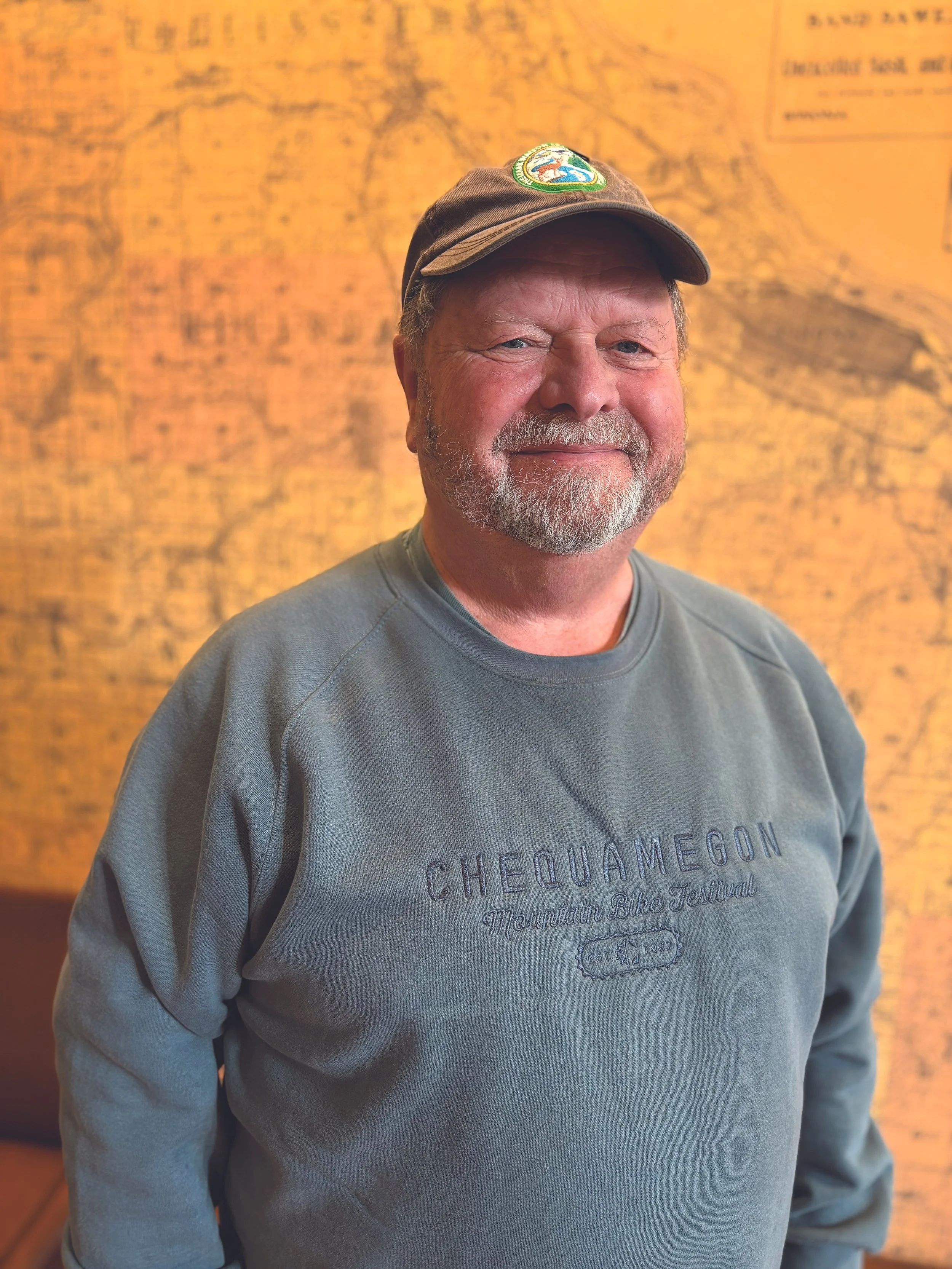
Barry Drazkowski will be featured in “The River Gallery”, a new exhibit gallery at the Winona County Historical Society opening on June 13th, 2026. When asked about his life-long relationship with the Mississippi River and its watershed, Barry said:
I think my most vivid memories connecting me to our water occurred as a young person. Our family would often spend time in the Whitewater area, specifically the South Branch upstream of the Crystal Springs hatchery. I remember there was one spring we always stopped and visited. Yes, not that unique as there are springs like this one all across our area, but I remember my then-young mom filling a jug of cold fresh water, her collecting water cress talking excitedly about the salad we’d have when we got home, then me kneeling next to the spring, dipping my hand into the freezing water, and drinking deeply. It’s a powerful memory.
Don’t miss Barry’s feature in “The River Gallery” opening Saturday, June 13th from 10am-4pm. Free Admission!
