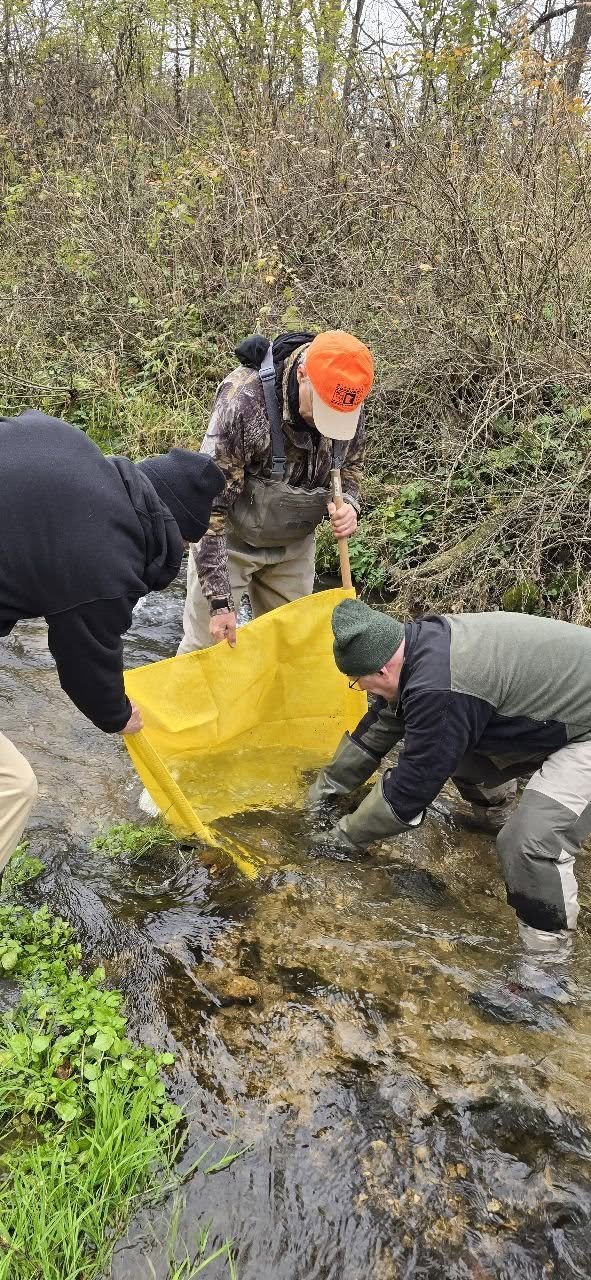
The Will Dilg Chapter aims to engage the community in gathering, uploading and reporting on biological & chemical monitoring of streams, rivers, and lakes of the Mississippi River Watershed. Our Save Our Streams program leans into the data in advocating for clean water in streams and wells of the Driftless area in Minnesota.
Our vision
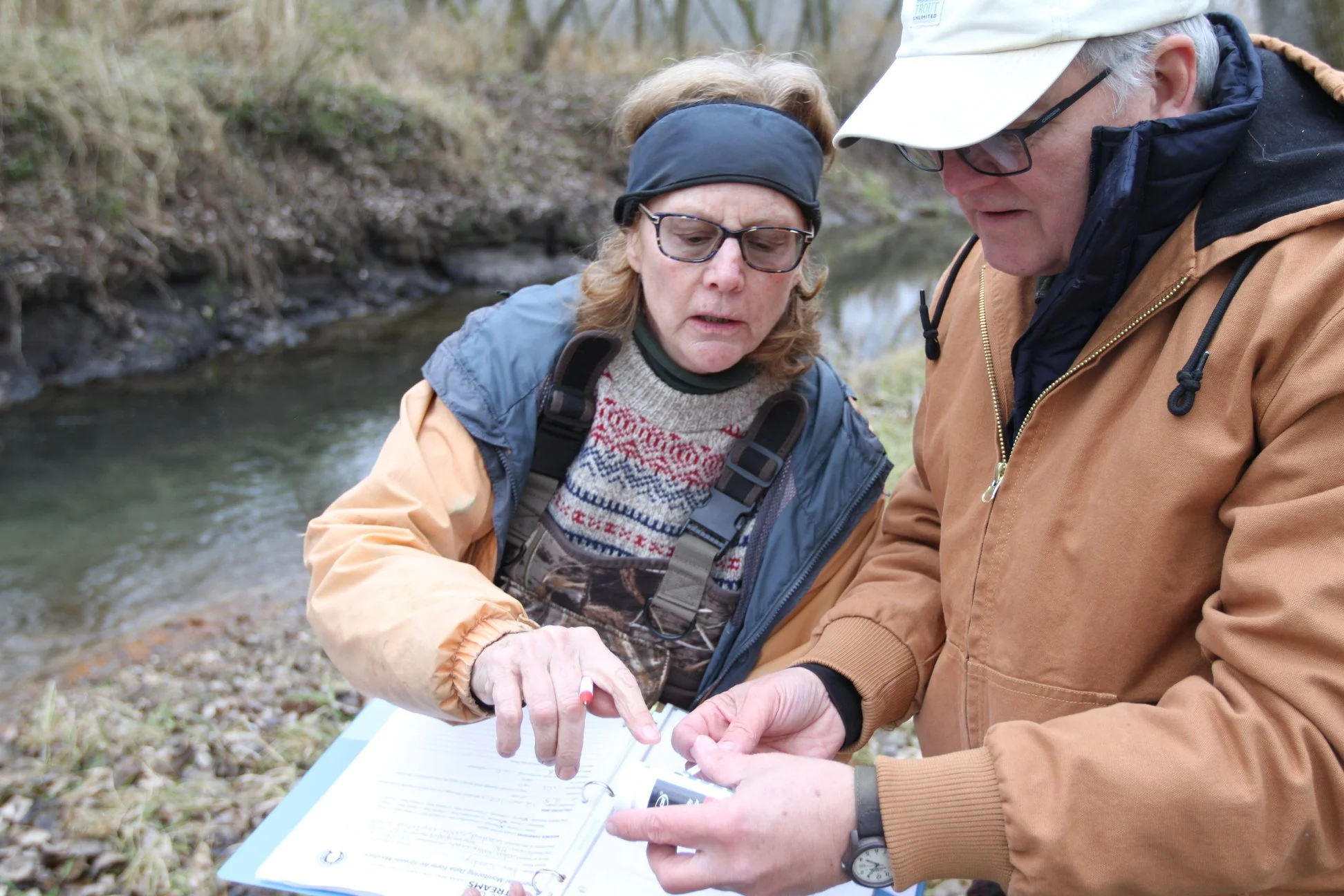
To continue monitoring existing sites and add new sites
To recruit and train more monitors
To offer training and resources to teachers
To partner with other IWLA chapters, Trout Unlimited, Restoravore, and Healthy Lake Winona
To upload and report on data in the Clean Water Hub
To monitor Salt Watch at seven sites in Lake Winona
To provide Certified Monitor Training in Spring 2026
our goals
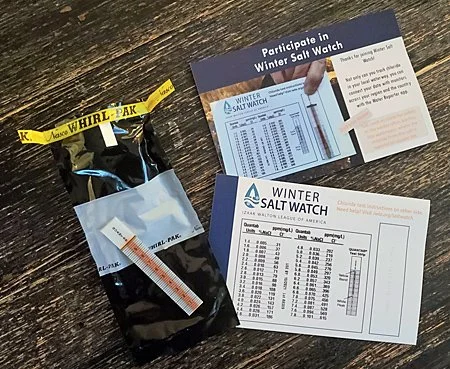
salt watch
Road salt (sodium chloride) keeps us safe on roads and sidewalks, but too much can pose a threat to fish and wildlife as well as human health. Fish and bugs that live in freshwater streams can't survive in extra salty water. Many of us also depend on local streams for drinking water. Water treatment plants are not equipped to filter out the extra salt, so it can end up in your tap water and even corrode your pipes, potentially causing serious health concerns.
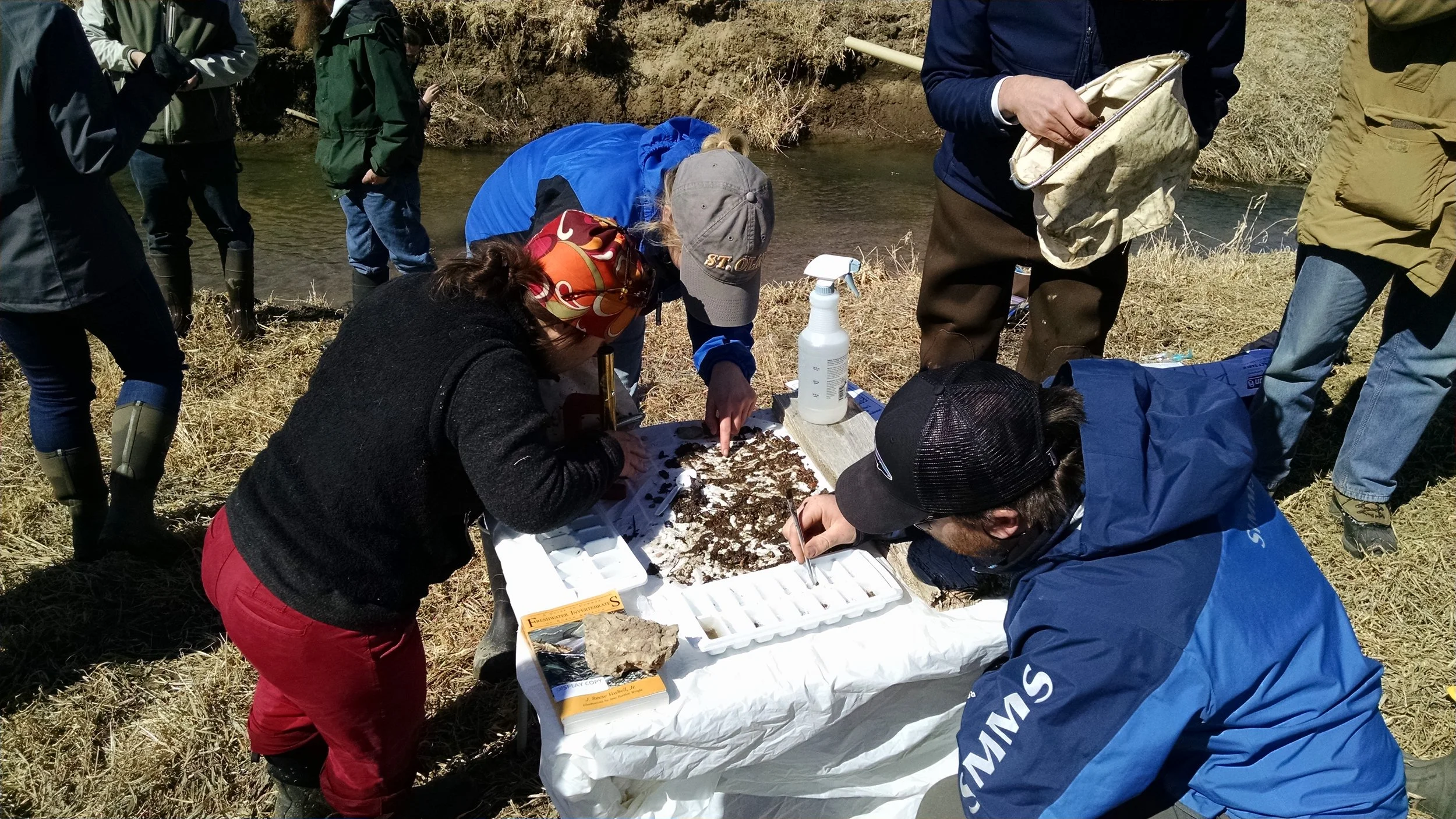
biological monitoring
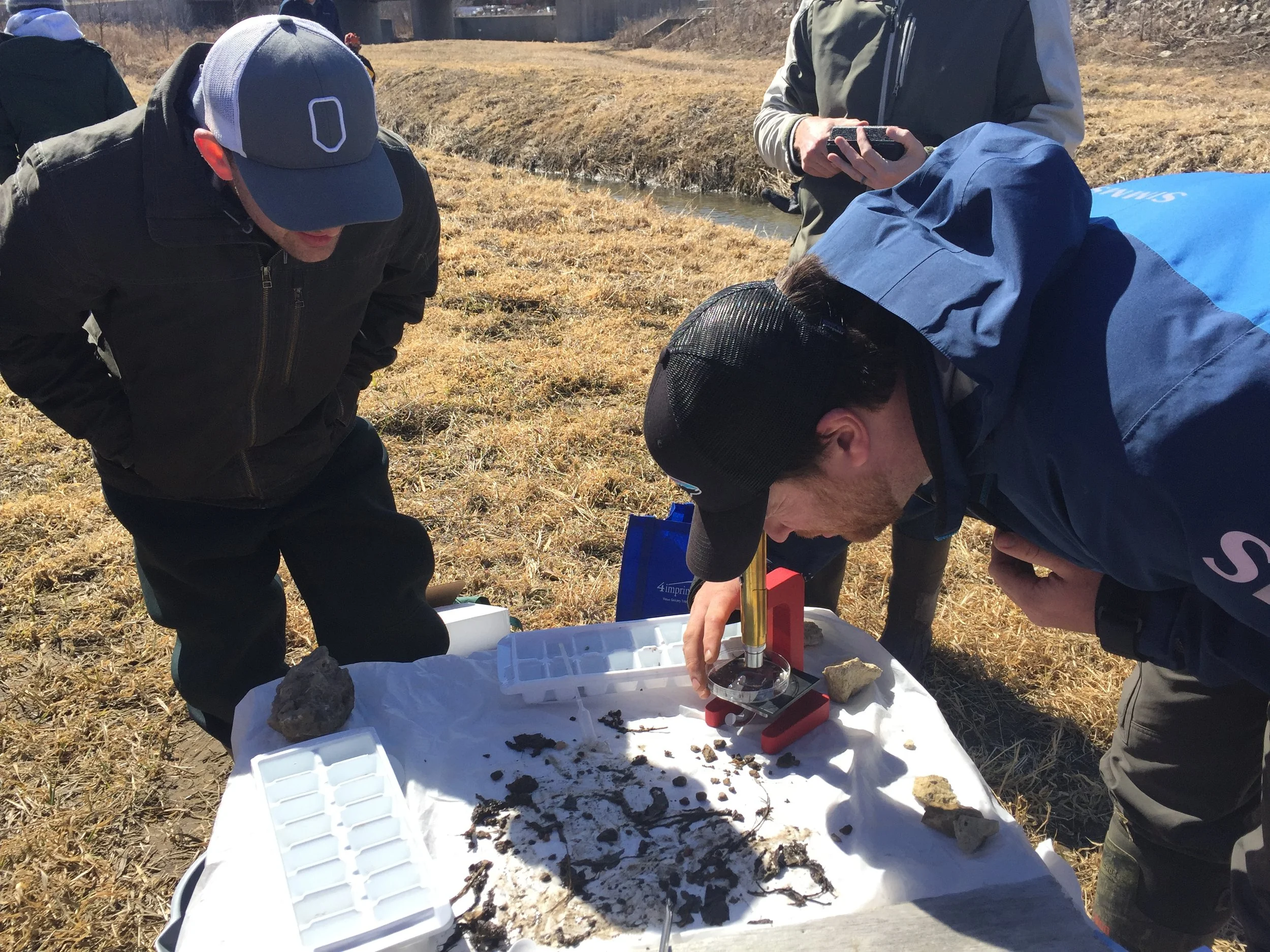
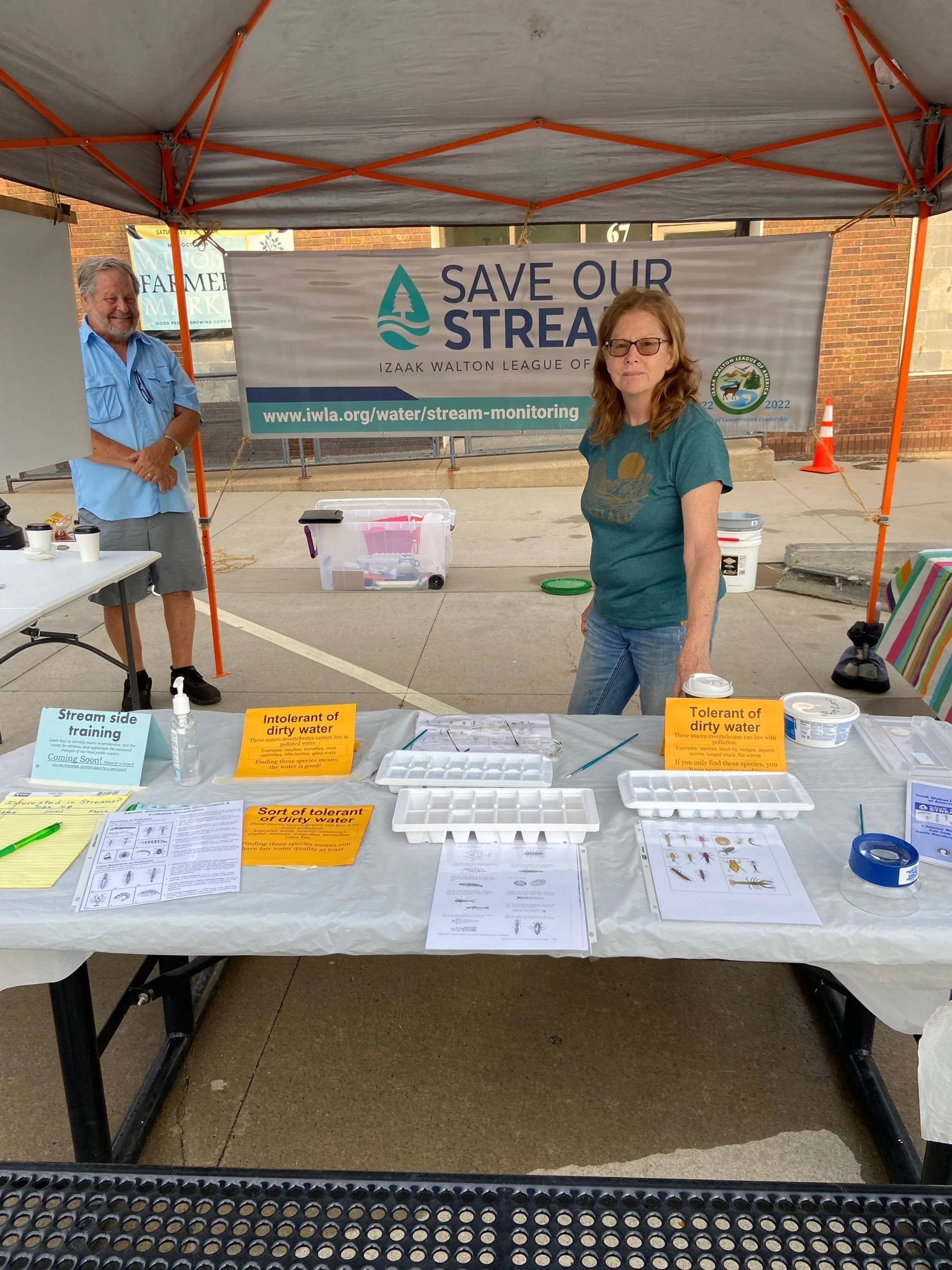
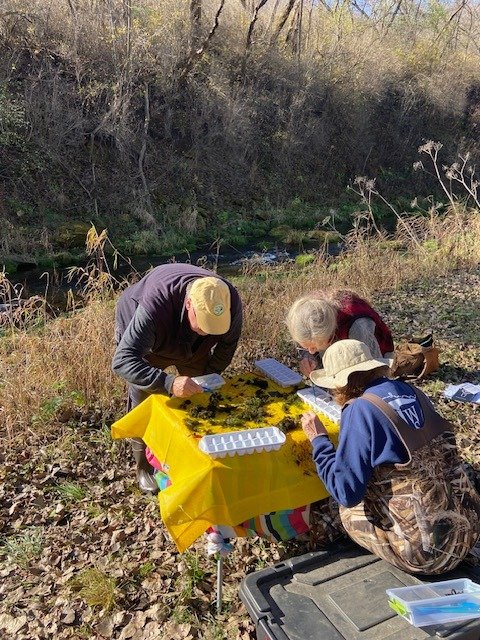
Surveying stream macroinvertebrates provides information about the health of your stream. Many stream-dwelling organisms are sensitive to changes in water quality. Their presence or absence can serve as an indicator of environmental conditions.
chemical monitoring
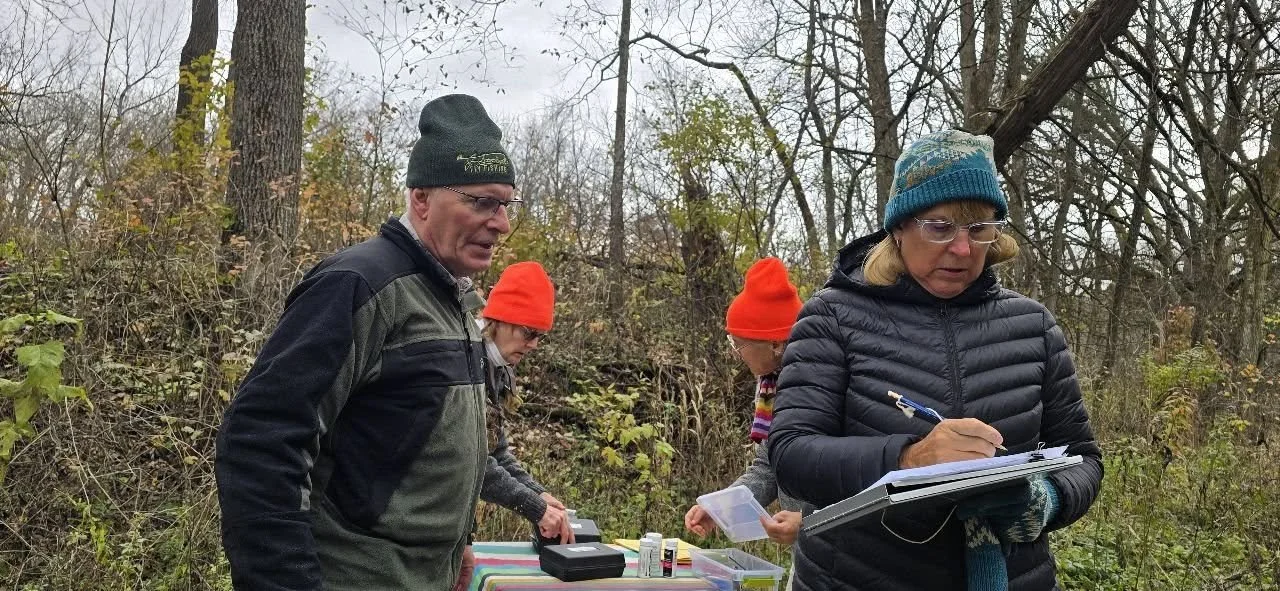
As you explore your stream’s water chemistry, it is important to understand that water chemistry is very complex. While some chemicals are absolutely necessary for life (such as nutrients) others can be harmful (such as pesticides) or harmful in large amounts (back to nutrients). Some chemicals may not directly affect human health, while others (such as nitrate) can have harmful effects in our drinking water.