
Healthy Lake Winona: Citizen Scientists Work to Improve the Lake
By Eric Nelson, Healthy Lake Winona President

Healthy Lake Winona (HLW) was established in 2014 by local concerned citizens with the goal to improve water quality of Lake Winona that will support a variety of native species and provide recreational activities for all ages. HLW became a nonprofit, 501(c)(3) organization in 2018. The Lake was declared an “Impaired Water” by Minnesota Pollution Control Agency in 2013, mainly due to excessive nutrient (phosphorus) levels, which in turn cause massive growths of invasive plant species, primarily curly-leaved pondweed. HLW seeks to engage the community via education materials and news releases promoting project activities . HLW has received several financial grants to complete habitat projects.
HLW Activities
Vegetation Management Helps Filter Water Entering the Lake:
Establish / Restore Native Prairies and Wetlands.
Remove Invasive Plants: European buckthorn, leafy spurge, curly dock. (see photos)
Plant Native Trees, Shrubs, and Aquatic Plants.
Conduct prescribed burns (in cooperation with local groups and agencies) to enhance growth of native vegetation.
Consult with Park Management on mowing operations: shoreline buffers, timing of seasonal mowing.
Water Quality Enhancement
ADOPT-A-DRAIN
Dozens of Winona’s storm sewers transport yard, parking lot, roof top, and street runoff directly into Lake Winona. Along with it, comes excess nutrients and pollutants. HLW, in coordination with Winona Soil and Water Conservation District, seeks to reduce this input by assisting implementation of Hamlin University’s Adopt a Drain program. City volunteers will remove material that builds up at gutters and storm grates, thus reducing sources of phosphorus entering the lake, including: tree leaves, grass clippings, eroded soils, pet waste, and trash. Volunteers can label storm drains with signs: “We Protect Lake Winona.” They report findings to Hamlin researchers who compile assessments of what has been achieved and what can be further accomplished.
HLW conducts photographic monitoring of storm drain outlets at the Lake. HLW encourages Winona State University biology department in monitoring road salt content of melt water entering the Lake at several storm drain outlets.
Learn more about Adopt-A-Drain by clicking HERE!
COMMON CARP
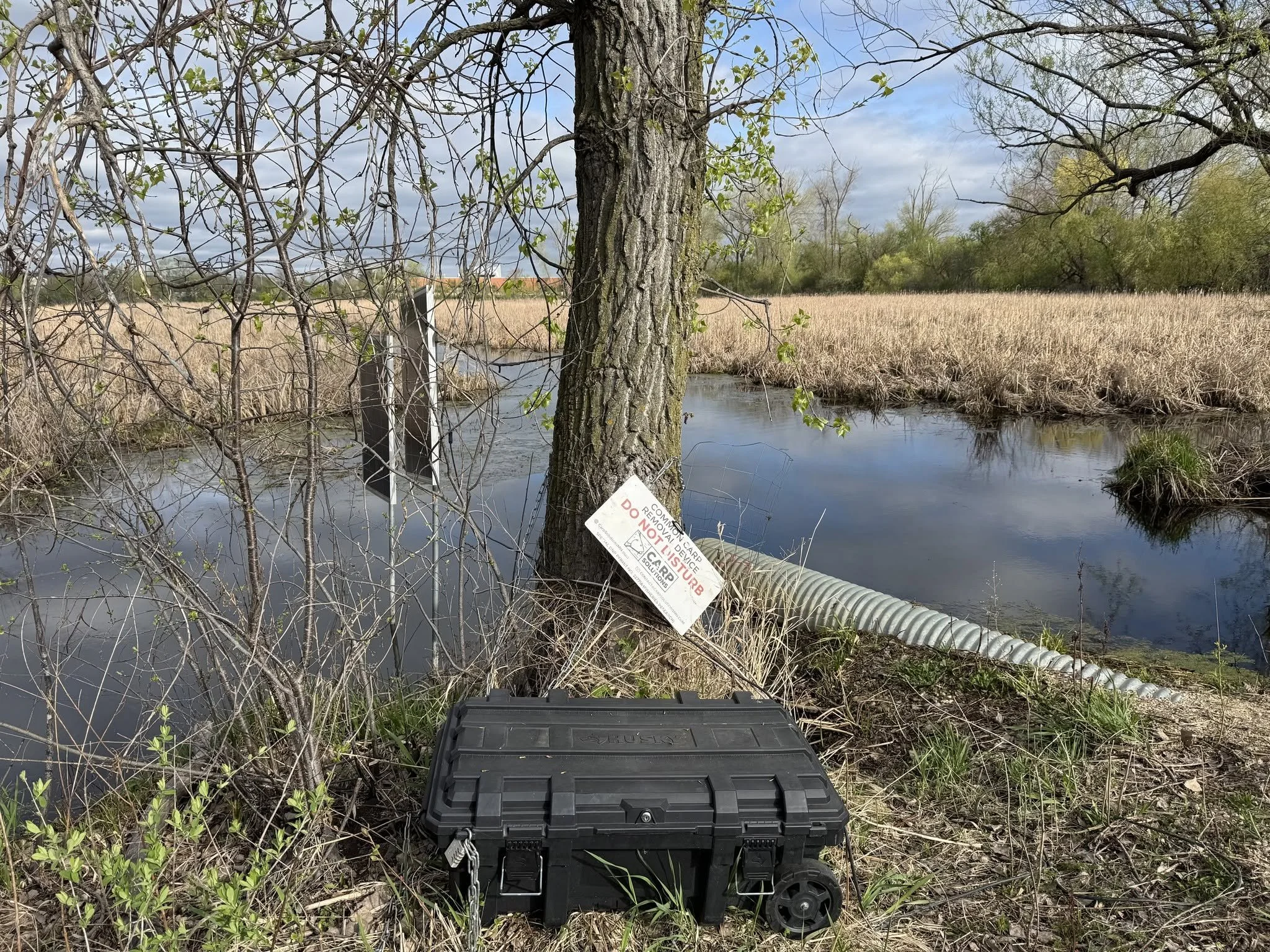
Common carp can influence water quality by stirring the bottom sediments, removing native and invasive plants, and releasing phosphorus. A population study is under way on the lake and environs.
SHORELINE EROSION
Shoreline erosion occurs on the north and east side of the East Lake and on the South side of the West Lake. Some areas have up to 4 feet of steep banks actively eroding, mainly due to wind, wave and ice action. Similar erosion is damaging the bike trail on the west Lake. HLW is assisting the City in obtaining grants to repair the damage. This will hopefully be accomplished in cooperation with MDNR and private contractors.
PRESCRIBED FIRES
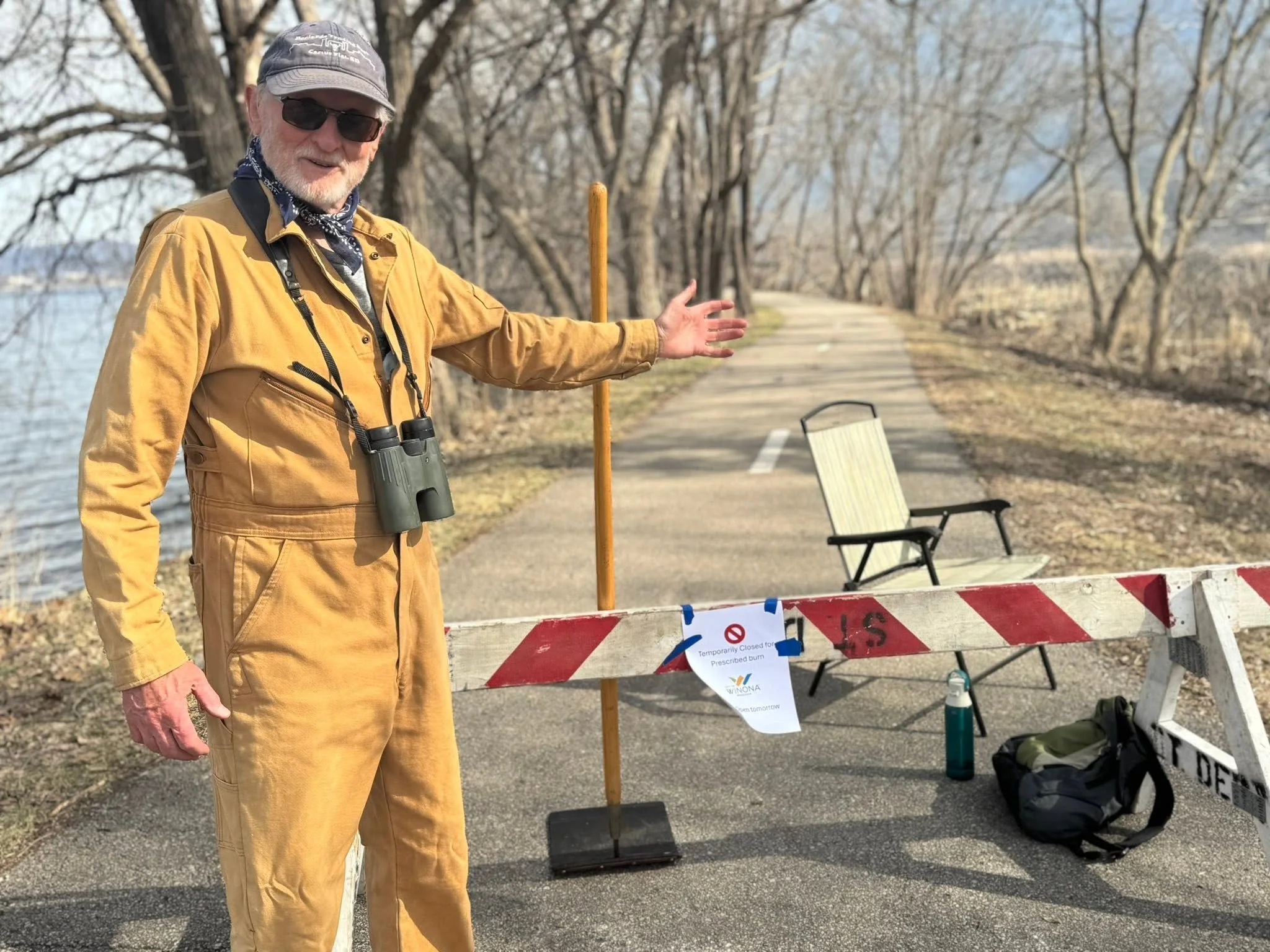
HLW conducts occasional prescribed fires at two prairie plantings on the north side of the Lake to promote native plant regrowth. HLW initiated an interagency prescribed fire of the wetland area on the south side of the lake in 2025.
Keep up with Healthy Lake Winona online!
